A high-tech enterprise specializing in large-scale sprinkler irrigation and water and fertilizer integration


Integrating Smart Technology into Center Pivot Irrigation Systems: Revolutionizing Agricultural Efficiency
Release time:
Dec 26,2025
Integrating Smart Technology into Center Pivot Irrigation Systems: Revolutionizing Agricultural Efficiency Table of Contents 1. Introduction to Smart Irrigation Technologies 2. The Importance of Center Pivot Irrigation Systems 3. Benefits of Smart Technology in Irrigation Systems 4. Key Components of Smart Center Pivot Irrigation 5. Advanced Sensors and Data Analytics 6. A
Integrating Smart Technology into Center Pivot Irrigation Systems: Revolutionizing Agricultural Efficiency
Table of Contents
- 1. Introduction to Smart Irrigation Technologies
- 2. The Importance of Center Pivot Irrigation Systems
- 3. Benefits of Smart Technology in Irrigation Systems
- 4. Key Components of Smart Center Pivot Irrigation
- 5. Advanced Sensors and Data Analytics
- 6. Automated Control Systems for Precision Irrigation
- 7. Case Studies of Smart Irrigation in Action
- 8. Future Trends in Smart Irrigation Technology
- 9. FAQs about Smart Technology in Center Pivot Irrigation
- 10. Conclusion
1. Introduction to Smart Irrigation Technologies
The integration of **smart technology into agriculture** is revolutionizing traditional farming practices, particularly in **irrigation systems**. Center pivot irrigation, a widely-used method for large-scale agricultural production, benefits immensely from the incorporation of advanced technologies. This article explores the multifaceted ways that smart technology enhances center pivot irrigation systems, providing farmers with tools to optimize water use, improve crop yields, and create sustainable farming practices.
2. The Importance of Center Pivot Irrigation Systems
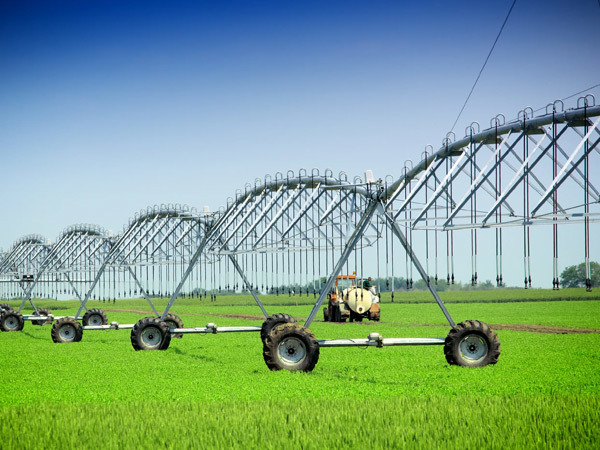
Center pivot irrigation systems are essential for **efficient water distribution** across vast fields. They consist of a rotating arm mounted on wheeled towers that irrigates crops in a circular pattern. The effectiveness of these systems is crucial for maximizing output while minimizing water waste. In regions where water scarcity is a growing concern, optimizing **irrigation techniques** through smart technology is not just beneficial—it's imperative.
2.1 Advantages of Center Pivot Irrigation
- **Uniform Water Distribution**: Ensures every plant receives adequate moisture.
- **Reduced Labor Costs**: Automates the irrigation process, allowing farmers to focus on other tasks.
- **Flexibility and Adaptability**: Easily adjusts to different field sizes and shapes.
3. Benefits of Smart Technology in Irrigation Systems
The introduction of smart technology into center pivot irrigation systems brings several key advantages:
3.1 Enhanced Water Management
Smart technologies enable precise water management, reducing waste and ensuring that crops receive the exact amount of water needed for optimal growth.
3.2 Improved Crop Health
With real-time data monitoring, farmers can respond quickly to the needs of their crops, leading to healthier plants and better yields.
3.3 Increased Efficiency and Sustainability
By utilizing advanced technology, farmers can operate their irrigation systems more efficiently, reducing both energy consumption and environmental impact.
4. Key Components of Smart Center Pivot Irrigation
To fully harness the power of smart technology, several key components are essential:
4.1 Sensors
Soil moisture sensors, weather stations, and crop monitoring devices provide critical data that informs irrigation decisions.
4.2 Cloud-Based Management Systems
Cloud computing allows for the aggregation of data from various sources, enabling farmers to make informed decisions based on real-time information.
4.3 Mobile Applications
Farmers can monitor and control their irrigation systems remotely through user-friendly mobile applications, providing convenience and flexibility.
5. Advanced Sensors and Data Analytics
Advanced sensors and data analytics are at the forefront of smart irrigation technology. These tools gather critical data that can significantly improve irrigation practices.
5.1 Soil Moisture Sensors
These sensors measure the moisture content in the soil, ensuring that irrigation occurs only when necessary, thus conserving water.
5.2 Weather Prediction Models
Integrating weather data with irrigation scheduling can help anticipate rainfall and adjust irrigation needs accordingly, preventing overwatering.
5.3 Data Analytics for Decision Making
Collecting and analyzing data allows farmers to identify patterns and make data-driven decisions that enhance productivity.
6. Automated Control Systems for Precision Irrigation
Automated control systems are a game-changer in the world of irrigation. These systems utilize data from sensors and weather stations to optimize irrigation schedules.
6.1 Real-Time Adjustments
Automated systems can adjust watering schedules based on real-time data, ensuring crops receive the right amount of water at the right time.
6.2 Integration with Other Farm Management Tools
Smart irrigation systems can be integrated with other farm management tools to create a comprehensive agricultural management system.
7. Case Studies of Smart Irrigation in Action
Several farms have successfully integrated smart technology into their center pivot irrigation systems, showcasing remarkable results.
7.1 Case Study: The Smith Family Farm
At the Smith Family Farm, the implementation of soil moisture sensors resulted in a **20% reduction** in water usage while boosting crop yields by **15%**.
7.2 Case Study: Green Valley Farms
Green Valley Farms adopted a cloud-based management system that allowed for remote monitoring and control, leading to improved operational efficiency and reduced labor costs.
8. Future Trends in Smart Irrigation Technology
Looking ahead, several trends are expected to shape the future of smart irrigation systems:
8.1 Artificial Intelligence (AI) Integration
AI technology is set to enhance predictive analytics, allowing for even more precise irrigation scheduling.
8.2 Sustainability Initiatives
As the emphasis on sustainable farming increases, smart irrigation technologies will adapt to support environmentally friendly practices.
8.3 Advancements in Sensor Technology
The development of more sophisticated sensors will enable better monitoring and control of irrigation systems.
9. FAQs about Smart Technology in Center Pivot Irrigation
9.1 What is smart irrigation technology?
Smart irrigation technology refers to advanced systems that utilize sensors, data analytics, and automated control to optimize water use in irrigation.
9.2 How does smart technology improve crop yields?
By providing precise irrigation schedules and monitoring soil moisture, smart technology ensures crops receive the optimal amount of water they need for healthy growth.
9.3 What are the costs associated with implementing smart irrigation systems?
Costs can vary depending on the technology used, but the long-term savings generated from reduced water use and increased yields often outweigh initial investments.
9.4 Can smart irrigation systems be integrated with existing pivot systems?
Yes, many smart technologies are designed to be retrofitted to existing center pivot irrigation systems, making integration easier for farmers.
9.5 How do weather conditions affect smart irrigation systems?
Smart irrigation systems can adjust watering schedules based on real-time weather data, ensuring crops receive adequate moisture without overwatering.
10. Conclusion
Integrating smart technology into center pivot irrigation systems is revolutionizing the agricultural landscape. By adopting innovative solutions that enhance efficiency, improve crop health, and promote sustainability, farmers can optimize their irrigation practices to meet the challenges of modern agriculture. As we move forward, the continued evolution of smart irrigation technologies will play a vital role in shaping the future of farming, ensuring that we can sustainably feed a growing global population.
Learn more about industry dynamics


New customers enjoy 10% product discount
PRODUCT CENTER
CONTACT US
Address: 2-1-2301, Phoenix International Plaza, High-tech Zone, Jinan City, Shandong Province
Quality of service to win customer satisfaction


Shandong Yihe Agricultural Technology Co., Ltd. (Shandong Kewo Water-Saving Irrigation Equipment Co., Ltd.)